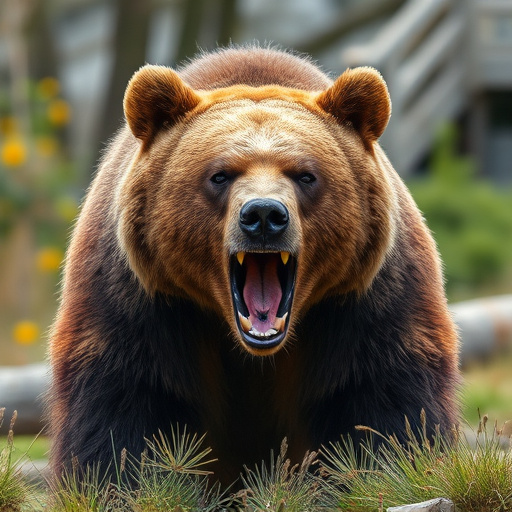
Bear spray's effective shooting distance (20-30 ft) relies on user skill, wind conditions, terrain, and product type. Aim for bear's face and eyes within this range to temporarily disable sensory organs. Follow maintenance guidelines for optimal performance and shelf life of 3-5 years.
Alaska’s rugged wilderness encounters can turn dangerous without proper preparation. Bear spray, a vital defense tool, ensures safety during outdoor activities. Understanding its basics is key. This article delves into the science behind bear spray, focusing on crucial factors like effective shooting distance and optimal range for maximum protection. We explore correct application techniques and maintenance tips to ensure longevity, highlighting how these aspects maximize your safety in Alaska’s diverse landscape.
- Understanding Bear Spray Basics
- Factors Affecting Effective Shooting Distance
- Optimal Range for Maximum Protection
- Correct Application Techniques
- Maintenance and Expiry Considerations
Understanding Bear Spray Basics
Bear spray, also known as bear repellent, is a crucial tool for anyone venturing into bear country. Its primary function is to deter and discourage bears from approaching or interacting with humans. When used correctly, bear spray can significantly increase personal safety during outdoor activities like hiking, camping, or hunting in areas inhabited by bears.
The effectiveness of bear spray depends on several factors, including the user’s technique, weather conditions, and the bear’s behavior. In general, bear spray has an effective shooting distance range of 20 to 30 feet (6 to 9 meters). This range ensures that users can apply the spray at a close enough distance to create an obstacle for bears while keeping themselves safe from any potential attack. Proper application involves aiming for the face and eyes of the bear, which are sensitive areas that can quickly deter an approaching bear.
Factors Affecting Effective Shooting Distance
Several factors significantly influence the effective shooting distance of bear spray, a crucial tool for personal safety in grizzly country. One of the primary considerations is the user’s proficiency and stability. A steady hand and proper technique enable operators to accurately project the spray cloud at close ranges, typically up to 20 feet (6 meters), where bears are most susceptible.
Wind direction and speed play a critical role as well. Tailwinds can extend the reach of bear spray by carrying the aerosol further, while headwinds may reduce the effective range. The terrain’s topography also comes into play; uphill shooting may require more force and result in reduced distance, whereas downhill angles can enhance the spray’s reach. Additionally, the type of bear spray, canisters’ size, and the specific brand all contribute to the overall effective shooting distance range, with proper usage guidelines ensuring optimal performance during encounters with these powerful animals.
Optimal Range for Maximum Protection
The optimal range for maximum protection with bear spray is a crucial consideration for anyone venturing into bear country. Studies show that effective shooting distances vary, but generally, a range of 20 to 30 feet (6 to 9 meters) is considered ideal for achieving the highest level of safety. This distance allows for accurate application of the spray directly onto the bear’s face, which is key to deterring aggressive behavior.
Within this range, bear spray can be incredibly effective in incapacitating a charging bear or stopping an attack in progress. However, it’s important to remember that wind and environmental conditions can affect the reach and effectiveness of the spray. Users should practice their technique and familiarize themselves with the specific brand’s recommended usage guidelines for optimal results within this suggested range.
Correct Application Techniques
Proper application technique is key to ensuring bear spray’s effectiveness during encounters. For optimal results, users should aim for the bear’s face and eyes, as this area contains numerous sensory organs that can be temporarily disabled by the spray. When deploying the spray, take a deep breath, hold your trigger finger steady, and release the spray in a continuous stream at close range, typically within 2-3 meters (6-10 feet). Practicing target practice can help individuals become more comfortable and accurate with their technique.
Understanding the effective shooting distance range is crucial. Bear spray is most potent when used within the recommended range, as spraying from farther away may reduce its impact. In situations where proximity to a bear increases, it’s important to remain calm and assess options for escape or further deterrence.
Maintenance and Expiry Considerations
Proper maintenance and regular inspection are crucial aspects of ensuring your Alaska bear spray remains effective and ready for use. Check the product instructions for specific guidelines on cleaning, storage, and compatibility with other gear. It’s essential to store it in a cool, dry place, away from direct sunlight, to maintain optimal performance.
Additionally, be mindful of the expiration date. Bear spray typically has a shelf life of 3-5 years, depending on the brand and formulation. After this period, its potency may diminish, affecting its effective shooting distance range. Regularly inspect the can for any signs of damage or corrosion, which could impact performance. Replace the spray if it shows significant wear or if the date has passed.
When it comes to bear spray safety, understanding the optimal shooting distance is key. By mastering the techniques and factors discussed in this article, such as correct application and maintaining your gear, you can ensure that your bear spray is effective within the recommended range of 20-30 feet. Remember, proper preparation and knowledge are essential tools for navigating Alaska’s wilderness safely.